
Need help finding the best E-collar, GPS or Beeper System?
Click here and we'll guide you to your best choice.
DT Systems No Bark Collars
Control nuisance barking with consistent correction
In the kennel run, truck box, or at the back door, a no bark collar gives a clear, repeatable correction when barking becomes a habit. Handlers choose them when a dog needs steady boundaries during downtime, not another command in the field. The right fit matters because contact points that shift can lead to inconsistent correction. Set the level for the dog in front of you, then pair collar use with calm handling so the dog learns when silence is required.
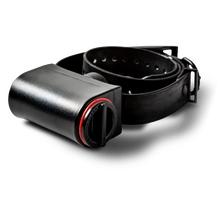
Choosing a no bark collar for real-world use
Start with fit and placement so the collar stays stable through shaking, rolling, and kennel movement. A no bark training collar works best when the correction level is set low enough to be clear without becoming noise the dog ignores, then adjusted only when needed. Use the collar in the same situations that trigger barking—kennel excitement, feeding time, or when other dogs are worked—so timing stays consistent. For working dogs, keep expectations the same at home and at camp to avoid creating two different rulesets for quiet.
No bark collar setup and use questions
What does a no bark collar do?
A no bark collar corrects barking automatically so the dog associates the correction with the act of barking. A no bark collar is most effective when fit and correction level are set to stay consistent through normal kennel activity.
How is a no bark training collar different from an e-collar used for commands?
A no bark training collar triggers correction from barking instead of from a handler pressing a button. An e-collar used for commands depends on handler timing, while a no bark collar depends on the dog’s barking behavior.
When should I use a no bark collar in a kennel setup?
A no bark collar fits a kennel setup when barking spikes during downtime, feeding, or when other dogs are being worked nearby. A no bark collar should be introduced calmly so the dog learns quiet is the default in the kennel.
How do I choose a correction level on a no bark collar?
A correction level on a no bark collar should start at the lowest setting that the dog clearly notices. A correction level can be adjusted upward only if barking continues after consistent use and proper fit.
Will a no bark collar stop barking in the truck box and at home too?
A no bark collar can be used in the truck box and at home if the same barking situations are present and the collar is fitted correctly. A no bark collar works best when rules for quiet stay consistent across locations.
What’s the quickest way to stop nuisance barking with a collar?
The quickest way to stop nuisance barking is consistent collar use paired with clear expectations in the exact situations that trigger barking. A no bark collar should be set up once and then used steadily rather than changed every session.