
GPS Dog Tracking Systems
Track dogs in the field with GPS and handhelds
Big country runs, thick cover, and long casts demand GPS dog tracking systems that keep you oriented on your dog, not guessing. When a bird dog disappears over a ridge or a retriever pushes into cattails, a handheld tracker paired to a GPS collar gives you the dog’s location and direction at a glance. GPS matters most when wind, terrain, and distance make whistle and voice unreliable. For hunters and trainers, the right setup comes down to range expectations, how many dogs you run, and how you want the handheld to handle in wet, cold conditions.
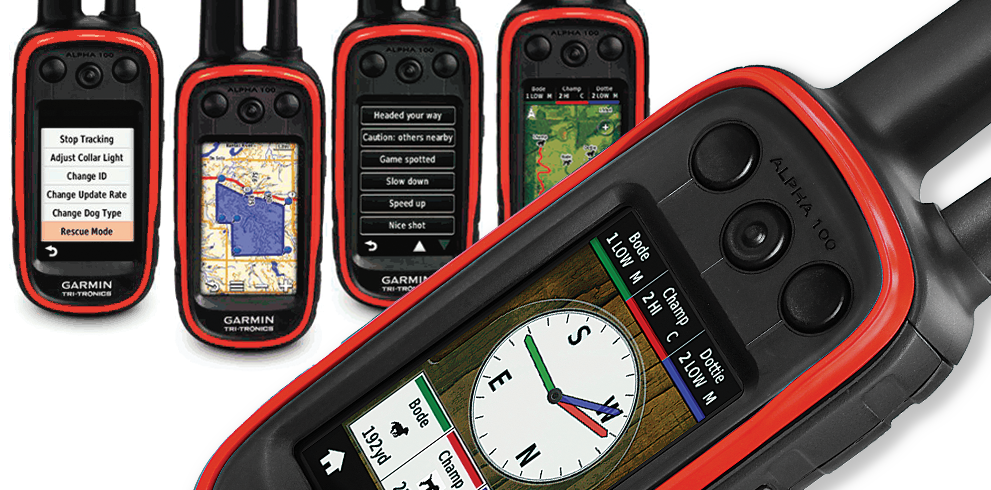
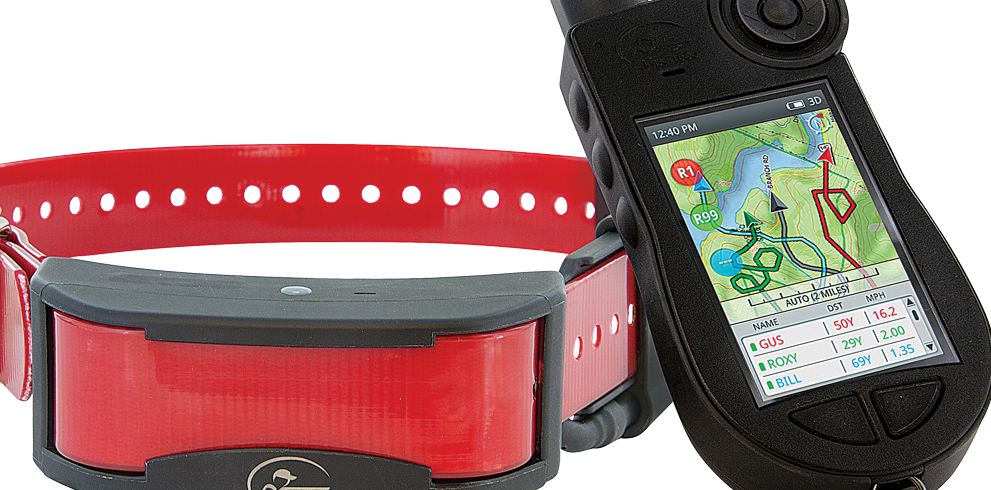
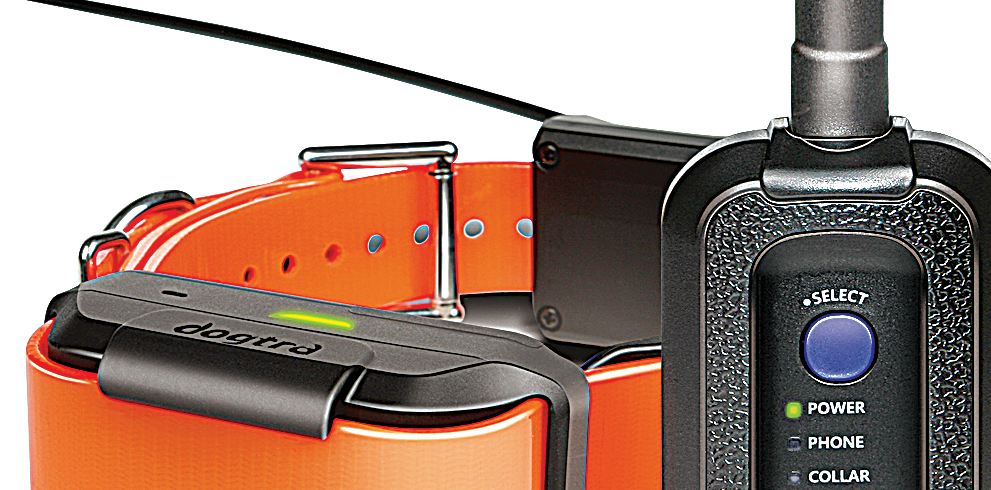
Choosing a GPS setup for hunting and training
Start by matching the GPS dog tracking system to how you run dogs: short-range training close to the truck is different from all-day upland hunts where a dog can swing wide. Pay attention to the handheld tracker interface and how quickly you can read distance and direction without breaking focus on the gun or the dog. GPS collar fit matters for hard-running dogs that hit water, brush, and ice, since a collar that shifts can be harder to read consistently. If you want one unit to handle location and corrections, a GPS e collar system can simplify what you carry in the field.
GPS tracking questions hunters and trainers ask
What’s the difference between a handheld tracker and a GPS collar?
A handheld tracker is the receiver you carry, and a GPS collar is the unit worn by the dog. A GPS dog tracking system pairs the two so the handheld displays the dog’s location and direction.
GPS tracking systems vs. Bluetooth tracking: what should I use in the field?
GPS tracking systems are the better choice for hunting and field training where dogs can cover ground beyond close-range connectivity. Bluetooth tracking is better suited to short distances where the phone stays connected.
When does a GPS e collar system make more sense than tracking only?
A GPS e collar system makes sense when you want location and training control in one handheld during hunts or structured training sessions. A tracking-only setup fits handlers who only need to locate the dog and run training separately.
How do I pick a GPS dog tracking system for upland hunting?
A GPS dog tracking system for upland hunting should be chosen around how far your dog typically casts and how quickly you need to read direction changes in cover. A handheld tracker that’s easy to interpret while moving helps when birds and dogs are both working fast.
What’s a realistic way to fit and position a GPS collar on a hard-running dog?
A GPS collar should sit high on the dog’s neck and be snug enough that it doesn’t roll as the dog runs and turns. A stable collar position makes the dog’s direction and distance easier to read on the handheld.
Which GPS system works for hunting with more than one dog at a time?
A multi-dog GPS dog tracking system is the right approach when you handle braces, run a small string, or train multiple dogs in one session. A handheld tracker that can manage multiple collars keeps you from switching devices when dogs split up.