
Clothing for Hunters and Field Trainers
Outerwear and apparel that holds up in the field
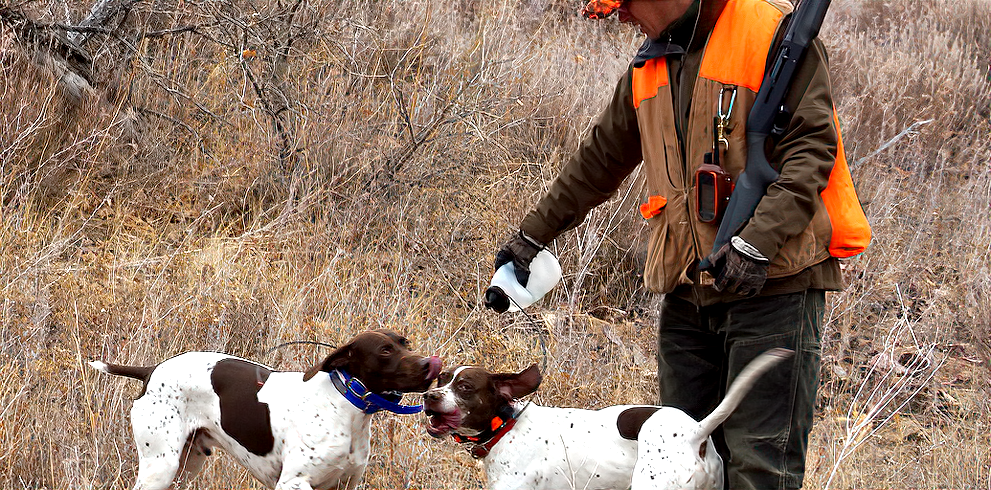
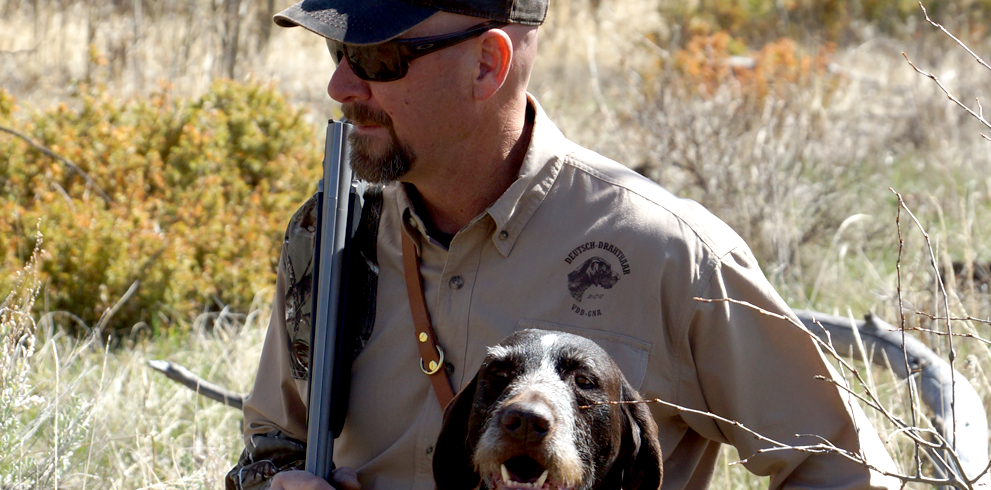
Cold wind, wet grass, and thorny cover demand hunting clothing that keeps you moving while you handle dogs and guns safely. Field trainers and hunters lean on it when long walks, repeated casts, and hard cover punish lightweight apparel. Outer layers matter when you’re glassing a hedgerow at first light, then pushing cattails by midmorning. Pay attention to how you’ll layer over shirts, how much brush you’ll hit, and whether you need room to shoulder a shotgun without binding.
Choosing clothing for weather, cover, and chores
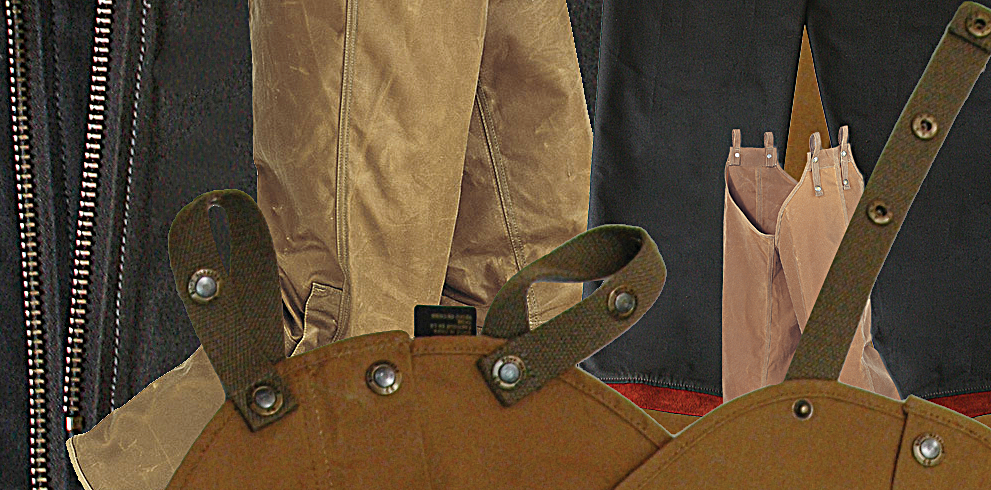
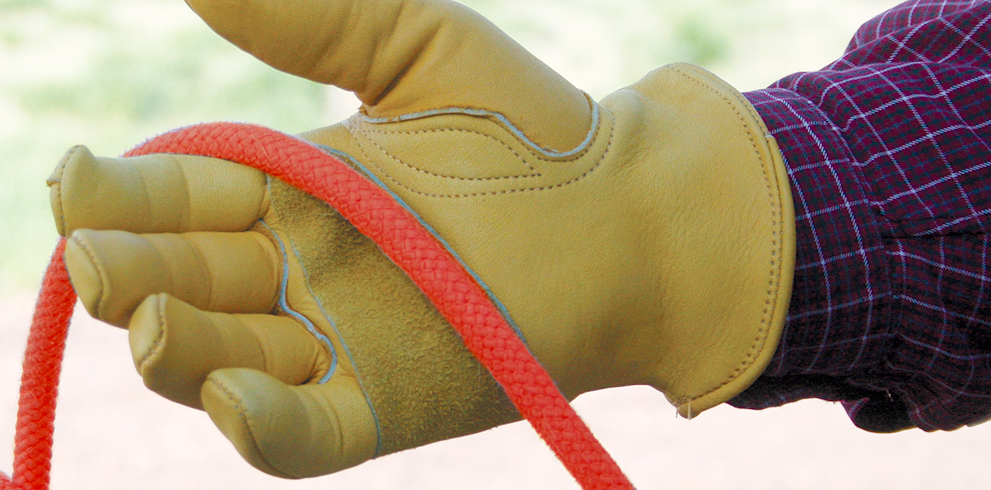
Start with the conditions you face most: steady rain, freezing wind, or dry heat in early season. Jackets and vests are about core warmth and freedom of movement when you’re mounting a gun or reaching for a lead. Chaps and gaiters earn their keep in briars and tall grass, especially on long training days where you’re in and out of cover. Gloves and hats are small pieces that make a difference when you’re handling wet bumpers, tying out a dog, or working around a truck tailgate in cold weather.
Clothing questions hunters and trainers ask
What’s the difference between chaps and gaiters for field work?
Chaps cover more of the leg to protect from briars and heavy brush in thick cover. Gaiters focus on the lower leg and boot area to block grass, mud, and debris.
When should I wear a vest instead of a jacket while training dogs?
A vest makes sense when you need core warmth but want free arms for casting, handling leads, and mounting a shotgun. A jacket is the better call when wind and steady cold require full coverage.
What clothing matters most for walking through wet grass all morning?
Hunting clothing that layers well keeps sweat from turning into chill when you stop moving. Outerwear that sheds moisture helps when you’re pushing through wet cover and kneeling at the line.
How do I choose gloves for handling dogs and gear in cold weather?
Gloves should let you keep feel in your fingers for snaps, zippers, and small gear while still cutting wind and cold. Gloves that are too bulky slow down dog handling and reloads.
What should I look for in shirts for long training days?
Shirts should fit comfortably under outer layers without bunching when you’re reaching and moving all day. Shirts that manage temperature swings work better when mornings start cold and afternoons warm up.
What hunting clothing should I grab for brushy cover and fence crossings?
Hunting clothing for brushy cover should prioritize leg protection and snag resistance where briars and wire are common. Chaps or gaiters help reduce cuts and hang-ups when you’re stepping over downed limbs and fences.