
Field Trial & Hunt Test Gear for Participants
Field Trial & Hunt Test Handler Gear for Long Days on Course
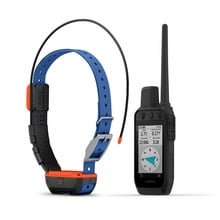
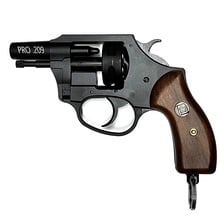
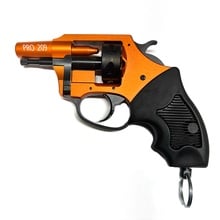
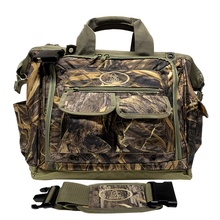
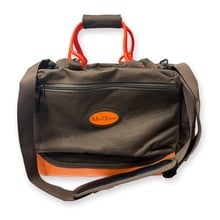
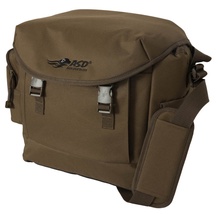
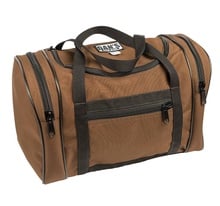
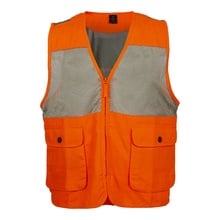
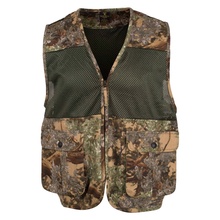
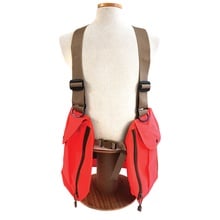
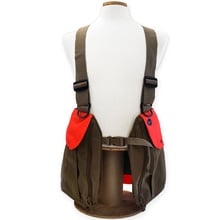
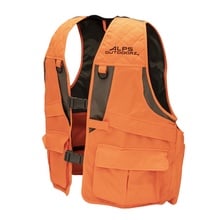
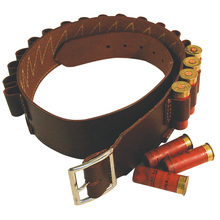
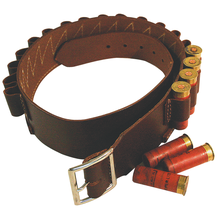
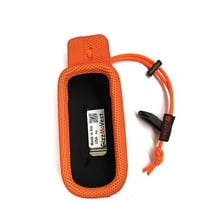
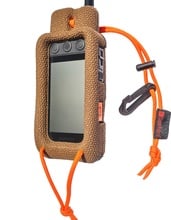
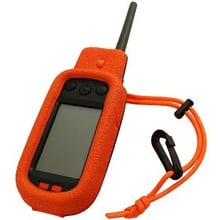
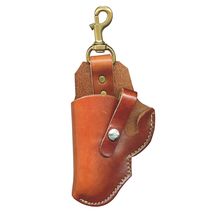
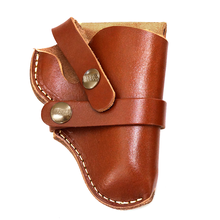
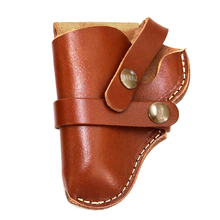
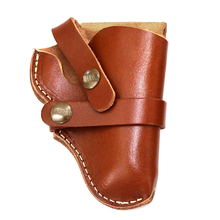
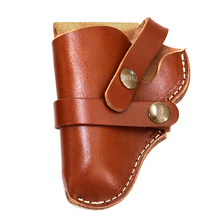
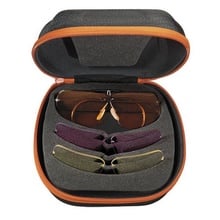
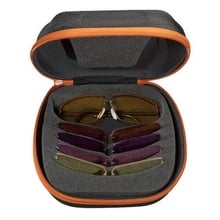
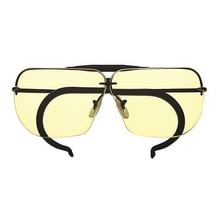
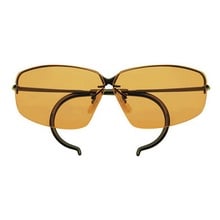
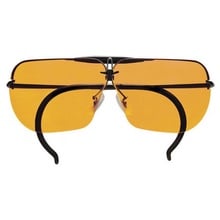
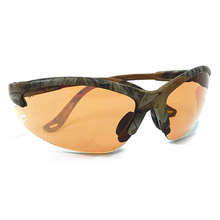
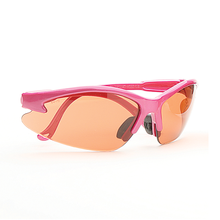
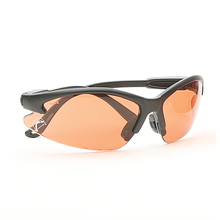
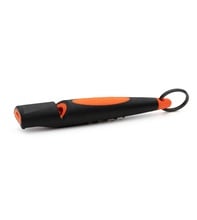
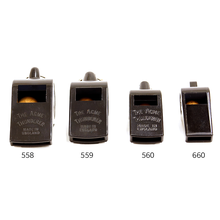
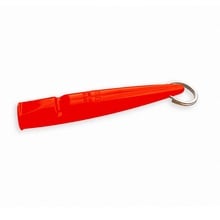
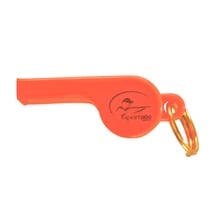
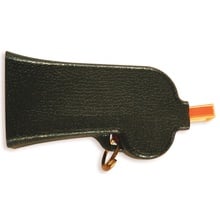
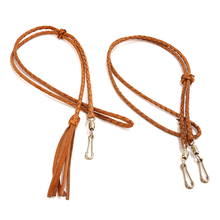
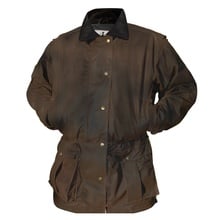
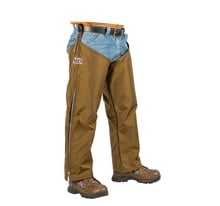
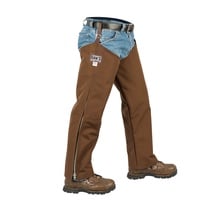
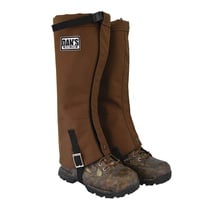
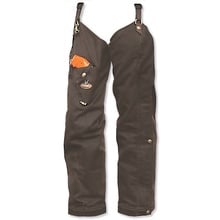
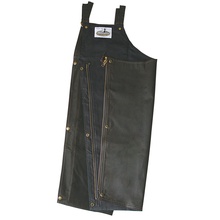
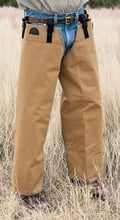
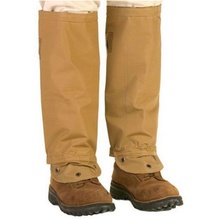
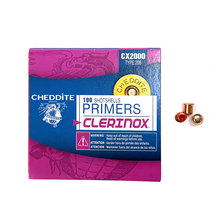
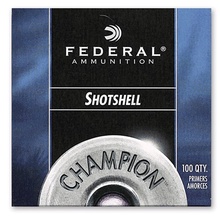
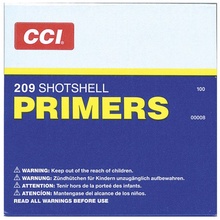
Field trial handler gear is chosen by people who understand that what you carry on course directly affects how the day runs — and there's no margin for fumbling when the dog is on point or the series is tight. It completes the picture alongside field trial dog gear — roading harnesses, reflective collars, and competition day supplies — for handlers who equip both ends of the team. Handler bags from Avery, Mud River, and the DU by Mud River Habitat exclusive organize water bottles, shells, primers, and small tools so nothing gets left at the truck between braces. GPS holsters and cases in leather and nylon for the Garmin Alpha and PRO series keep a handheld protected and accessible when you're managing a dog and watching the course simultaneously. The HuntSmith field trial jacket and chaps are the competition-grade clothing standard — built for riding, walking, and hours in the field without failing when the weather turns. Upland vests from FieldKing, Kings Camo, and Alps Outdoorz cover the walking handler in both blaze orange and camo configurations. A Kangaroo whistle lanyard and Acme or Roy Gonia whistles round out the carry kit. Decot sport glasses from the Hy-Wyd through the Ultimate Package have been on field trial grounds long enough that serious handlers know what they're choosing and why. In snake country, TurtleSkin SnakeArmor chaps and gaiters belong in the kit without question. Charter Arms PRO series blank revolvers, leather and nylon holsters, leather shell belts in 12 and 20 gauge, and 209 primers complete the shooting side of the setup. Questions about putting together a complete handler kit for your event format? Call us at 800-338-3647.



How to choose participant gear that works in the field
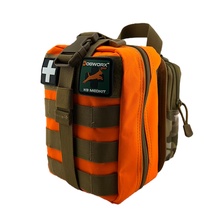
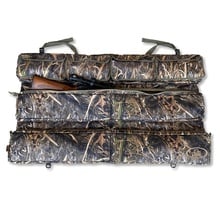
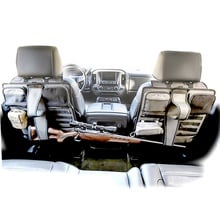
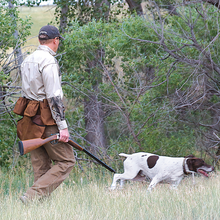
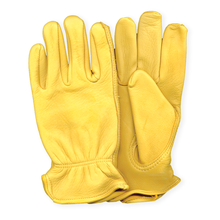
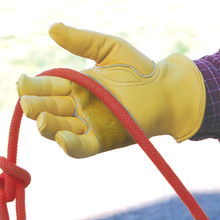
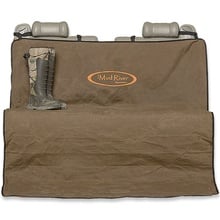
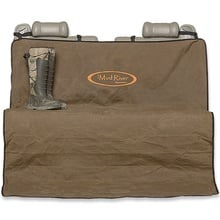
Start with how you travel on course: a vest or handler bag keeps water, shells, and small tools from shifting while you walk or ride. For blank pistols and accessories, a holster that holds position on your belt helps with safe, repeatable draws without fumbling. In snake country, gaiters or snake chaps add protection when you’re pushing through edge cover and CRP. Glasses and gloves matter most when wind, dust, and briars wear you down across multiple series, and seat organizers keep the truck setup from turning into a gear pile between runs.
Field trial and hunt test participant FAQs
What’s the difference between field trial gear and hunt test gear for participants?
Field trial and hunt test participant gear overlaps heavily, but field trials tend to emphasize on-course carry and quick access while moving longer distances. Hunt tests often put more focus on staying organized between series and handling changing weather across a full day.
How do I choose a blank pistol and blanks for field trials?
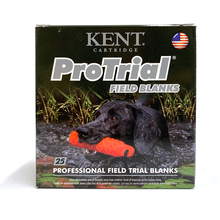
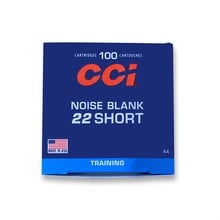
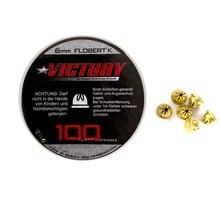
A blank pistol and blanks should match by caliber and primer type so the setup runs consistently. Blank ammunition, .22 caliber blank cartridges, and 209 primers are common items used around starter pistols and blank revolvers.
When do snake chaps or snake gaiters make sense for a trial or test?
Snake chaps and snake gaiters make sense when you’re walking edge cover, creek bottoms, or grass lines where you can’t see what you’re stepping into. TurtleSkin SnakeArmor gaiters and SnakeArmor Total Protection Snake Chaps are common choices for that kind of footing.
What should I look for in a handler bag versus a vest?
A handler bag works when you want more capacity without bulk on your torso, especially for water, shells, and small gear that needs to stay sorted. An upland hunting vest works when you want weight spread across your shoulders and quicker access while you’re moving.
How do GPS holsters and GPS cases fit into participant gear?
GPS holsters and GPS cases protect a handheld while keeping it accessible when you’re managing dogs and watching the course. Garmin Astro and Garmin Alpha cases and holsters are common formats for that job.
What’s the best way to carry a starter pistol safely during a brace?
A starter pistol is carried most safely in a belt holster that holds it securely and keeps the grip in a consistent position. Leather belt holsters and saddle holsters are common options for field trial and hunt test work.