
Gear Bags for Hunting Dog Training
Gear Bags and Handler Bags for Gun Dog Training and Field Work
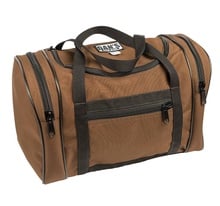
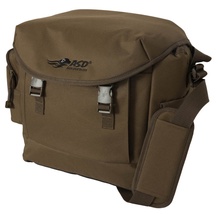
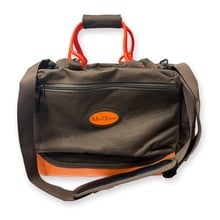
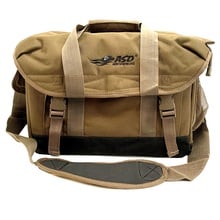
Gear bags and handler bags keep a training session running cleanly — the right layout means bumpers, dummies, collars, leads, and primers all have a place, and nothing gets fumbled when a dog is watching. They belong in the same kit as dog training whistles and lanyards and blank pistols and starter pistol accessories — they carry gear that keeps a handler organized at the line and between setups. The Avery trainer's side bag and PRO trainer's bag are the field-ready handler options, built for quick access while moving between setups. Mud River's handler bags cover the same ground with a more structured layout and more pockets. Dan's collar bag is the dedicated solution for keeping collar hardware, straps, and small parts organized and tangle-free. The Avery bumper and bird bag isolates scented and dirty training dummies from the rest of your kit. The Alps Outdoorz Crossbuck pack in blaze orange is the walk-in option when you need both hands free and want training essentials on your back. Questions about which bag fits your training routine? Call us at 800-338-3647.



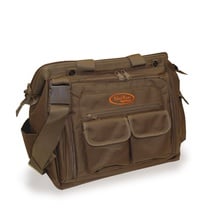
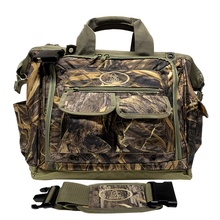
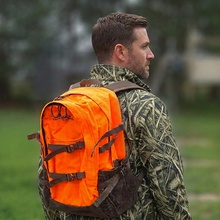
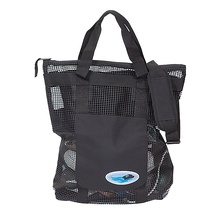
Choosing the right bag for your training routine
Start with how you handle gear during a session: grab-and-go drills favor a compact side bag, while longer days usually call for a larger hunting dog handler bag that stays open and sorts gear fast. If you carry bumpers and birds together, look for a bumper and bird bag that keeps scent and mess contained from the rest of your kit. A dedicated collar bag helps keep straps, buckles, and small parts from tangling or getting crushed. For walking in to setups, a training pack can carry the same essentials without tying up your hands.
Gear bag questions handlers ask
What should a hunting dog training gear bag hold for a typical field session?
A hunting dog training gear bag should hold the core items you touch every setup, like collars, leads, whistles, and training dummies. A bag with separate areas helps keep wet, dirty, or scented items from contaminating everything else.
What’s the difference between a handler bag and a side bag?
A dog handler bag is meant to carry more gear and stay organized over a long day of training or travel. A trainer side bag focuses on quick access while you’re moving and handling a dog between drills.
When does it make sense to use a collar bag instead of tossing collars in a larger bag?
A dog collar bag makes sense when you want to prevent straps, buckles, and small parts from tangling or getting damaged. A collar bag also speeds up swaps when you’re rotating gear between dogs.
How do you keep birds and bumpers from making the rest of your gear smell?
A bumper and bird bag helps isolate birds and training dummies from the rest of your equipment. A dedicated bag also keeps fluids and dirt off collars, leads, and other items you handle every session.
What should I look for in a training pack for walking to setups?
A training pack should carry your essentials without shifting while you move through cover or across a field. A pack-style carry also keeps both hands free for handling a dog and managing equipment.
What gear bag makes sense for field trials and hunt tests?
A field trial gear bag should keep small essentials organized so you can find them fast between series. A handler-style layout helps prevent loose gear from disappearing into the bottom of the bag when time is tight.