
Dog Training & Breaking Scents
Dog Training Scents and Breaking Scents for Serious Bird Dog Work
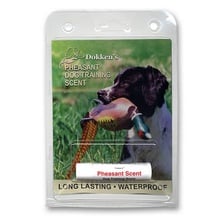
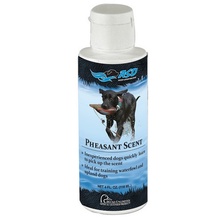
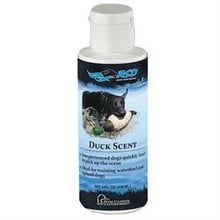
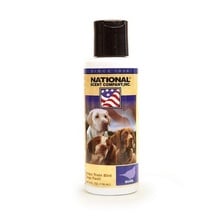
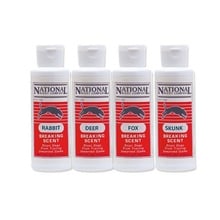
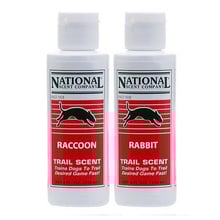
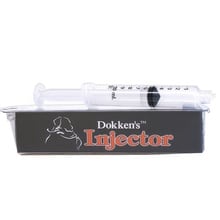
Dog training scents and breaking scents are the part of hunting dog training gear that most handlers underestimate until a dog starts making decisions you didn't train. Dokken scent wax and the Dokken scent injector work directly with retrieving dummies and Dead Fowl Trainers — the injector puts scent inside the trainer so it carries through the retrieve rather than just coating the surface. The National Scent Company lineup covers the three specific jobs: breaking scent for proofing a dog off the wrong odor and teaching it to stay on the intended line, trailing scent for deliberate track work where the dog commits its nose through turns and distraction, and training scent for repeatable setups when you're running multiple dogs through the same drill. Avery's pheasant scent and duck scent are the species-specific options — useful when you're working retriever dogs on realistic bird odor without using fresh birds. Wind, cover density, and temperature all affect how scent behaves, so apply with intention and let the dog work the problem. Questions about which scent fits your training goals? Call us at 800-338-3647.

Choosing scents for training and proofing
Breaking scent is most useful when the goal is control—teaching a dog to ignore temptations and stay on the intended line. Trailing scent supports longer, more deliberate tracks where you want the dog to work with its nose down and stay committed through turns. Training scent helps keep repetitions consistent when you’re running multiple dogs or repeating the same setup over time. Pay attention to how you apply scent on bumpers or pads and how conditions shift the scent cone, especially in wind, heavy cover, or wet ground.
Dog training scent FAQs
What are breaking scents used for in dog training?
Breaking scents are used to proof a dog off unwanted odor and reinforce control on the intended track or retrieve. Breaking scents are commonly worked into drills where the dog must ignore temptation and stay honest.
What’s the difference between trailing scent and training scent?
Trailing scent is used to lay a defined odor line that teaches a dog to follow a track with commitment. Training scent is used to keep scent-based repetitions consistent when you want repeatable setups from session to session.
When should I use a scent pad instead of applying scent directly?
A scent pad is useful when you want a consistent application point and less mess across repeated drills. A scent pad also helps when multiple handlers need the same scent strength and placement.
How do I apply duck scent for retriever training drills?
Duck scent is applied to a training dummy or scent pad in a controlled amount so the dog learns to key on the right odor without overloading the setup. Duck scent work is most useful when you keep the drill consistent and let the dog solve the problem with its nose.
How do I use pheasant scent for bird dog training in cover?
Pheasant scent is used to set short, clear scent problems in heavier cover where birds would naturally be encountered. Pheasant scent setups work best when you factor in wind direction and let the dog work into the scent cone.
What should I use to add scent to a dead fowl trainer?
A scent injector is used to place scent inside a dead fowl trainer so odor carries during retrieves and handling drills. A scent injector helps keep application consistent without soaking the outside of the trainer.