
Field Trial & Hunt Test Horse Gear
Horse handling gear for the field trial grounds
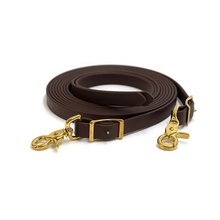
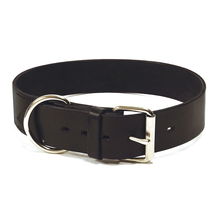
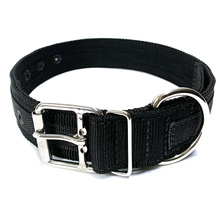
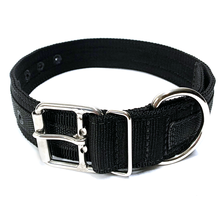
Long days on the field trial grounds call for horse gear that keeps a mount secured, handled, and ready to go from first brace to last. When you’re tying out at a truck, setting a picket line at camp, or moving between courses, dependable tie-outs and leads keep things orderly and safe. Collars and split reins matter most when you’re catching, leading, and ponying without fighting flimsy hardware. Leather conditioner and basic water-carry gear help keep tack working after dust, sweat, and weather.
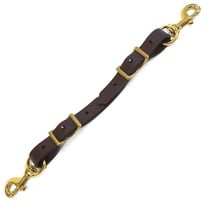
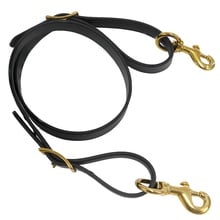
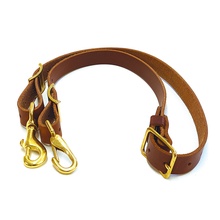
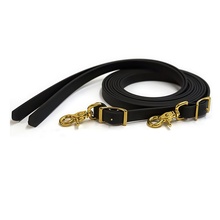
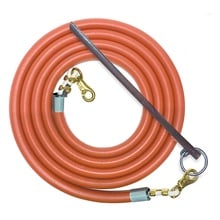
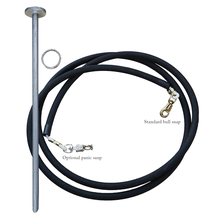
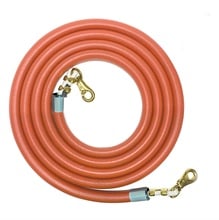
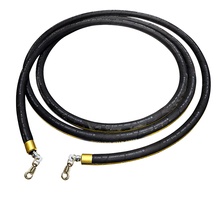
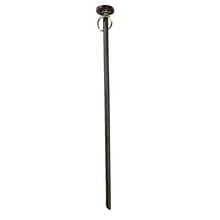
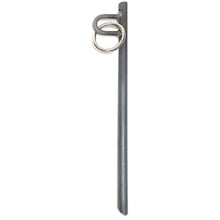
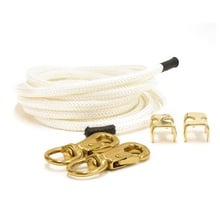
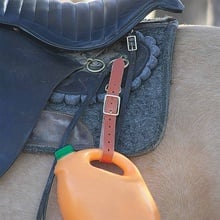
Choosing stakes, picket lines, and tack care
Start by matching your tying method to the ground you’ll be staking into and how often you’ll be moving camp. A picket line setup is made for keeping a horse settled for longer stretches, while a quick-release trailer tie is the call when you need a fast, controlled tie at the rig. Collar fit matters; too loose shifts and rubs, too tight crowds the throat when a horse pulls back. Split reins and saddle straps should feel predictable in the hand, especially when you’re handling horses around dogs and gallery traffic.
Field questions about horse gear at trials
What’s the difference between a stake tie-out and a picket line?
A stake tie-out secures one horse to a single ground stake, while a picket line gives more controlled movement along a line. A picket line is often used at camp when horses need to stand for longer periods between braces.
When should I use a quick release trailer tie?
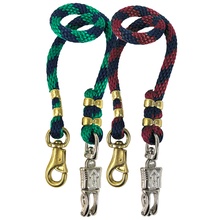
A quick release trailer tie is used when you need a controlled tie at the rig with the ability to release fast if a horse gets in trouble. A quick release trailer tie is common on busy trial grounds where horses are being saddled, watered, and loaded repeatedly.
How do I pick the right horse collar size for field trial use?
A horse collar size should match the neck measurement range so the collar stays put without choking when the horse pulls or bends. A horse collar that’s too loose can twist and rub during repeated catching and leading.
Split reins vs a lead rope: which should I grab for handling at camp?
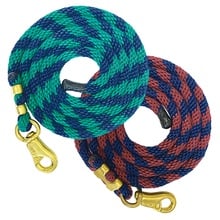
A lead rope is the right tool for catching, leading, and tying, while split reins are for riding control once you’re mounted. Split reins are awkward for tying and can create more tangles when you’re working around trucks and picket lines.
How do I keep leather tack from drying out after dusty trial grounds?
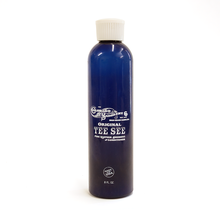
Leather conditioner helps keep bridle leather from drying and cracking after dust, sweat, and sun. Leather conditioner works best when applied after wiping grit off so you’re not grinding dirt into the leather.
What should I use to carry water at a field trial camp?
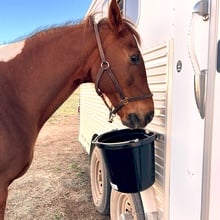
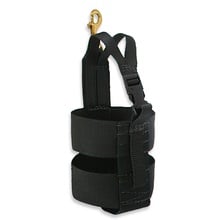
A nylon water bottle holder or water bottle strap keeps a bottle handy when you’re walking horses between the trailer and the course. A plastic bucket can also be used for watering at the rig when you want a steady container that’s easy to rinse.