
Need help finding the best E-collar, GPS or Beeper System?
Click here and we'll guide you to your best choice.
Dogtra GPS & Training Collars for Fieldwork and Training
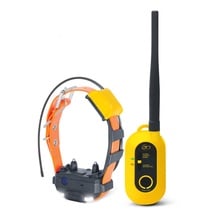
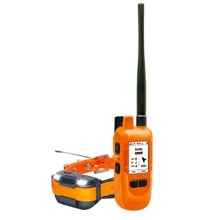
Dogtra Pathfinder2 GPS Training Collar System for Gun Dogs
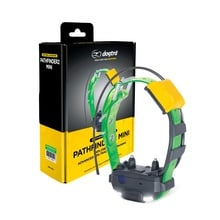
Dogtra Pathfinder2 GPS training collar systems are for handlers who need to know where the dog is and deliver a correction from the same setup — location and training control running together through a smartphone app rather than a dedicated handheld when the dog is working country too wide or too thick to stay in visual contact. They connect to the full Dogtra brand lineup, and handlers comparing GPS systems across brands will find the Garmin Alpha and PRO GPS e-collar systems as the dedicated-handheld alternative worth putting side by side. The Pathfinder2 runs tracking and training through the Dogtra smartphone app — dog location, direction of travel, and training control visible on the phone screen, which means the handler carries one less piece of dedicated hardware in the field. The Pathfinder2 Mini is the compact format of the same platform for handlers who want a smaller receiver profile on the dog without giving up GPS and training capability. Both expand to multiple dogs with additional receiver collars, and the choice between running one dog or a brace should be made before the season starts so the system is configured and familiar before it matters. Additional receiver collars keep the setup flexible for rotating dogs through training days or bringing a young dog along without rebuilding the system. Questions about building a Dogtra GPS setup for the dogs you run and the country you hunt? Call us at 800-338-3647.
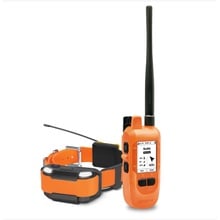
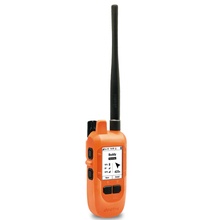
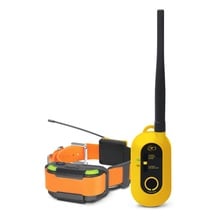
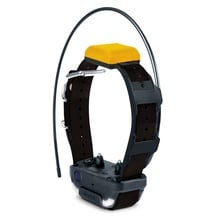
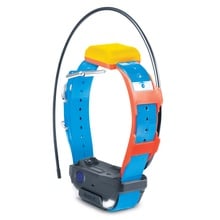
Choosing receivers and sizing your system
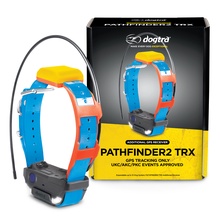
A Dogtra Pathfinder2 system can be kept lean for one dog or expanded when you start running multiple dogs in training or during season. Additional receiver collars matter when you’re rotating dogs, running a brace, or keeping a spare ready for a young dog coming up. Pay attention to how you’ll carry and handle the system in real work—gloves, wet weather, and quick decisions at the line all change what feels simple. If you’re building out a bigger setup, plan the receiver count first so the system stays consistent from yard work to the field.
Dogtra GPS & training collar questions
What is a GPS training collar used for in fieldwork?
A GPS training collar is used to track a dog’s location while also providing training control during real hunting and training setups. A GPS training collar helps when the dog is out of sight in cover, on a long cast, or working multiple objectives in one session.
Dogtra Pathfinder2 vs Pathfinder2 Mini: what’s the difference?
Dogtra Pathfinder2 vs Pathfinder2 Mini is mainly a choice between two system formats within the Pathfinder2 line. Dogtra Pathfinder2 vs Pathfinder2 Mini should be decided by how you run your dogs in the field and whether you want the smaller Mini setup.
How many receiver collars do I need for one handler?
Receiver collars should match the number of dogs you plan to run at the same time or rotate during a session. Receiver collars are also useful as spares when you’re bringing along a young dog or switching dogs between series.
When does an additional receiver make sense for a GPS collar setup?
An additional receiver makes sense when you’re moving from one-dog work to brace work or you want a second dog ready without changing your main setup. An additional receiver also helps keep your handling consistent across dogs during season and training.
How do I add another collar to my Dogtra GPS system?
A Dogtra GPS system is expanded by pairing an additional receiver to the existing setup so the system can track and train another dog. A Dogtra GPS system should be configured before you head to the field so you aren’t sorting pairing steps during a run.
What should I say when I’m voice-searching for this gear?
A voice-search phrase that matches this gear is “Dogtra GPS training collars for fieldwork and training.” A voice-search phrase that also fits is “Dogtra Pathfinder2 additional receiver collar.”